
If you ignore it or guess randomly
- Symptoms may stay unmanaged.
- Random workouts may irritate pressure or pain.
- Core weakness can feel confusing for months.
- Confidence drops after repeated failed attempts.
 Weight loss with your normal Indian food.
Education first. Assessment when needed.
Common does not mean normal. Tummy bulge, back pain, leakage, weakness, scar tightness, and low confidence need clarity — not random workouts.
This page is for education and awareness only. It is not diagnosis or medical treatment.
For education and coaching awareness only — not diagnosis or treatment. If you have pain, bleeding, fever, pelvic heaviness, leakage, dizziness, or any worrying symptom, get medical review from your doctor or a qualified pelvic-floor physiotherapist before changing exercise.
Led with care
Many mothers are told to wait, lose weight, or start normal workouts. Postpartum recovery is more specific than that. Your stage, symptoms, delivery history, posture, breathing, scar comfort, and pelvic-floor signs all matter.



Education-first support. Assessment when needed. Medical guidance respected.
Your Recovery Guide
Pick your stage, tap what you're feeling, and read what your body needs right now.
0–8 weeks postpartum
Healing, rest, and gentle reconnection. Your body is still healing. This is not the time for aggressive workouts or fat-loss pressure.
Tap a symptom above to see what it usually means.
Unclear symptoms are common. Guessing is less useful than stage-based assessment.
Right now, daily life means feeding posture, getting up slowly, baby holding, sleep breaks and healing check — recovery has to fit into that. Focus on:
At this stage, guided support focuses on rest, breathing, posture awareness, and medical clearance. The usual starting point: Recovery education first.
Please avoid
The problem may not be fat only. It may be pressure, breathing, posture, core coordination, pelvic-floor weakness, or an unresolved recovery gap.
Conditions explained simply
These signs deserve awareness, not panic. A real assessment is the only way to know what is happening.
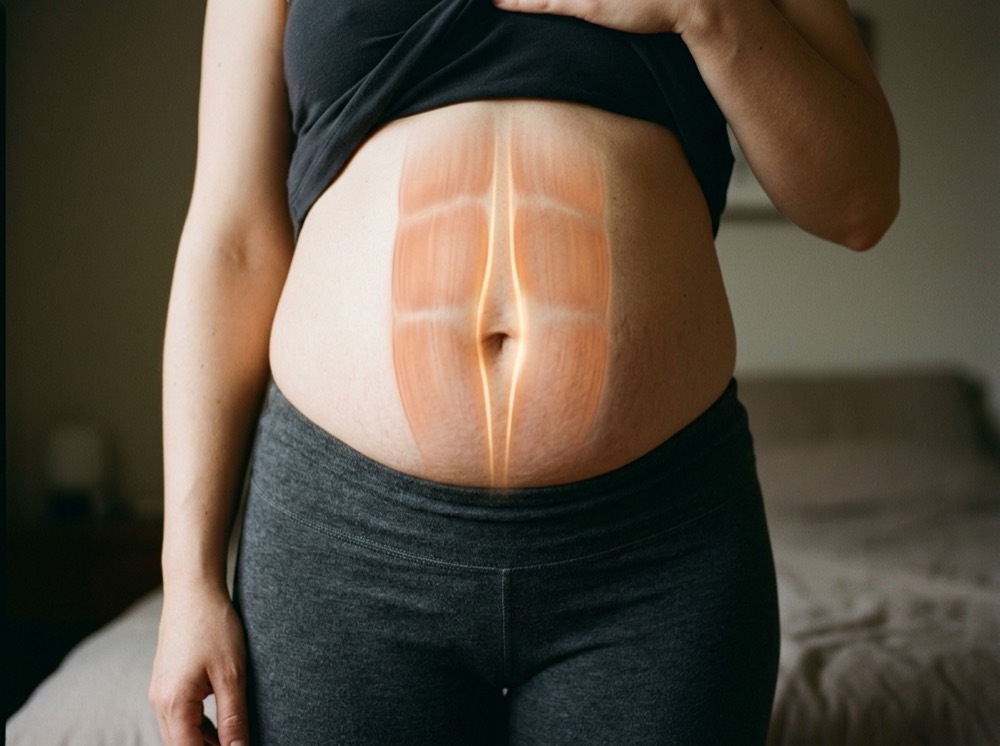 Diastasis RectiA separation or poor tension strategy in the abdominal wall.
What it may indicate
A separation or poor tension strategy in the abdominal wall, often showing as doming or a persistent bulge.
What can worsen it
Crunches, breath-holding, heavy pressure, and random core challenges.
What usually helps
Assessment-led breathing strategy and staged core reconnection.
When to seek assessment
Doming, pain, unusual bulging, or uncertainty about core pressure.
Diastasis RectiA separation or poor tension strategy in the abdominal wall.
What it may indicate
A separation or poor tension strategy in the abdominal wall, often showing as doming or a persistent bulge.
What can worsen it
Crunches, breath-holding, heavy pressure, and random core challenges.
What usually helps
Assessment-led breathing strategy and staged core reconnection.
When to seek assessment
Doming, pain, unusual bulging, or uncertainty about core pressure.
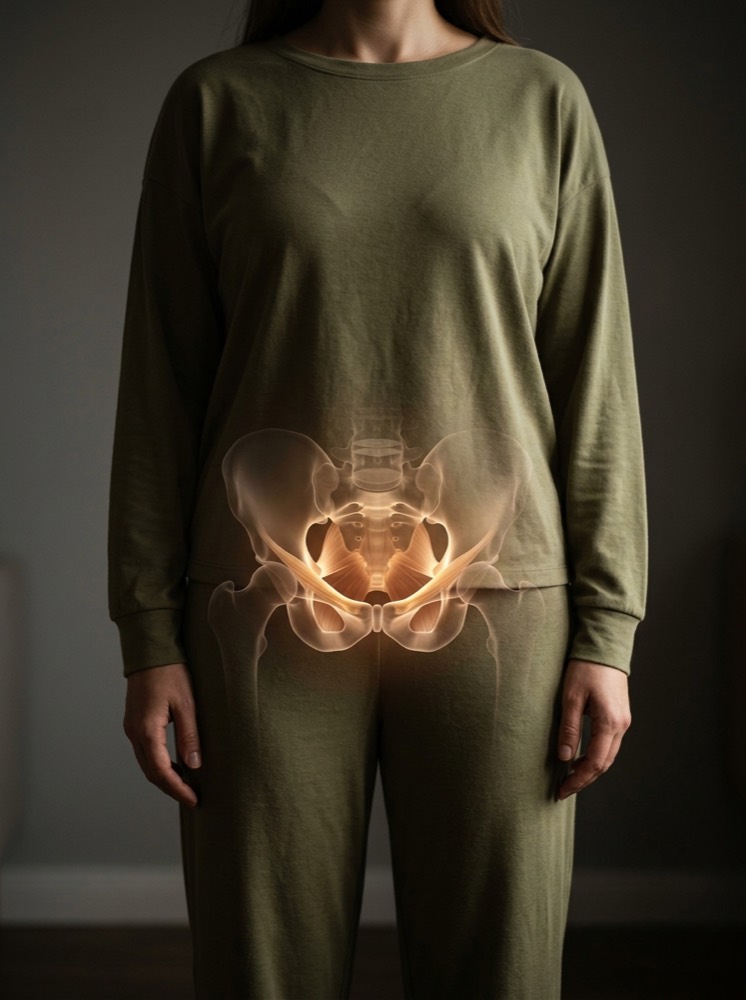 Pelvic heaviness/Pelvic Organ Prolapse (POP) signsA dragging, heavy, or pressure feeling.
What it may indicate
A dragging, heavy, or pressure feeling that can mean the pelvic floor needs qualified assessment before progression.
What can worsen it
Long standing, heavy lifting, impact, and constipation strain.
What usually helps
Reducing pressure load and getting a qualified pelvic-floor assessment.
When to seek assessment
Persistent heaviness, a bulging sensation, leakage, or pressure that increases through the day.
Pelvic heaviness/Pelvic Organ Prolapse (POP) signsA dragging, heavy, or pressure feeling.
What it may indicate
A dragging, heavy, or pressure feeling that can mean the pelvic floor needs qualified assessment before progression.
What can worsen it
Long standing, heavy lifting, impact, and constipation strain.
What usually helps
Reducing pressure load and getting a qualified pelvic-floor assessment.
When to seek assessment
Persistent heaviness, a bulging sensation, leakage, or pressure that increases through the day.
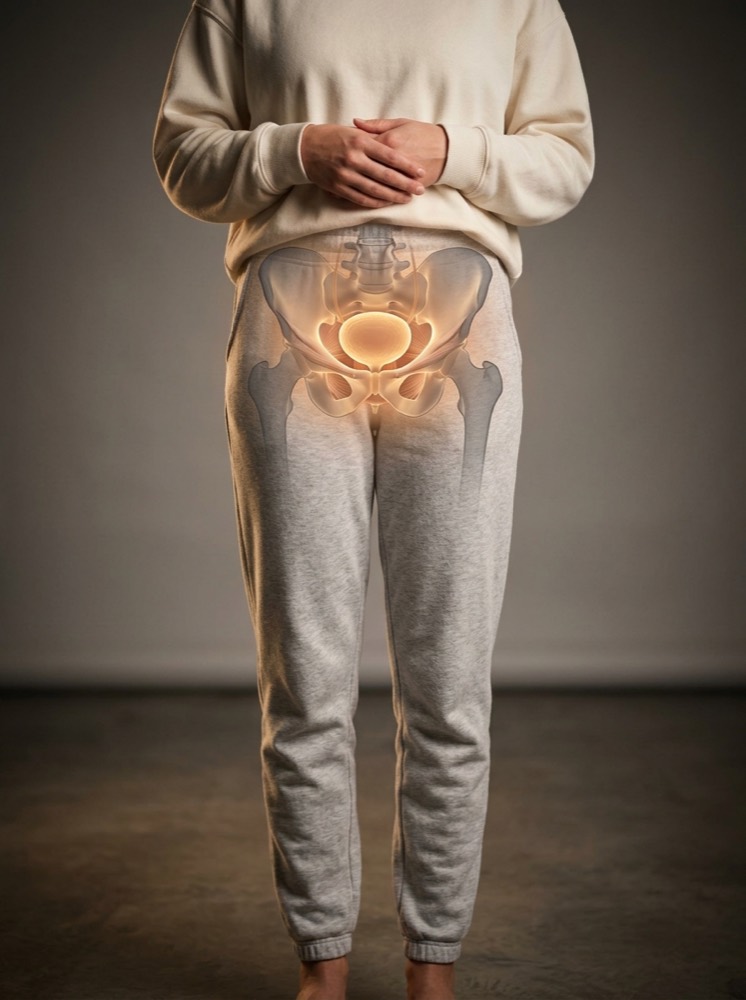 Leakage/pelvic-floor weaknessLeaking while coughing, laughing, jumping, or lifting.
What it may indicate
Leaking while coughing, laughing, jumping, or lifting, which can point to pelvic-floor pressure and coordination gaps.
What can worsen it
Jumping, early high impact, heavy lifting, breath-holding, and pushing intensity too soon.
What usually helps
Pelvic-floor awareness, pressure management, and professional assessment.
When to seek assessment
Leakage that continues, returns with exercise, or comes with heaviness.
Leakage/pelvic-floor weaknessLeaking while coughing, laughing, jumping, or lifting.
What it may indicate
Leaking while coughing, laughing, jumping, or lifting, which can point to pelvic-floor pressure and coordination gaps.
What can worsen it
Jumping, early high impact, heavy lifting, breath-holding, and pushing intensity too soon.
What usually helps
Pelvic-floor awareness, pressure management, and professional assessment.
When to seek assessment
Leakage that continues, returns with exercise, or comes with heaviness.
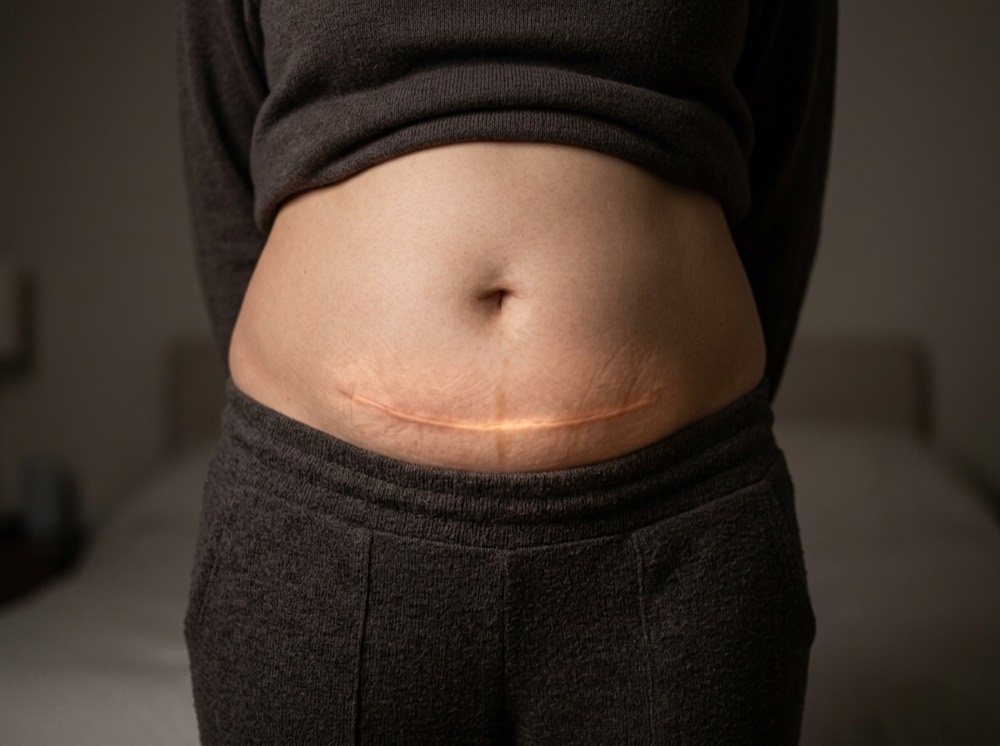 C-section scar tightnessTenderness or pulling near the incision.
What it may indicate
Tenderness or pulling near the incision that can affect posture, movement confidence, and abdominal comfort.
What can worsen it
Rushing exercise, avoiding all movement, or forcing painful positions.
What usually helps
Doctor-guided healing timelines and gentle awareness before progression.
When to seek assessment
Redness, swelling, discharge, fever, sharp pain, or unusual tenderness.
C-section scar tightnessTenderness or pulling near the incision.
What it may indicate
Tenderness or pulling near the incision that can affect posture, movement confidence, and abdominal comfort.
What can worsen it
Rushing exercise, avoiding all movement, or forcing painful positions.
What usually helps
Doctor-guided healing timelines and gentle awareness before progression.
When to seek assessment
Redness, swelling, discharge, fever, sharp pain, or unusual tenderness.
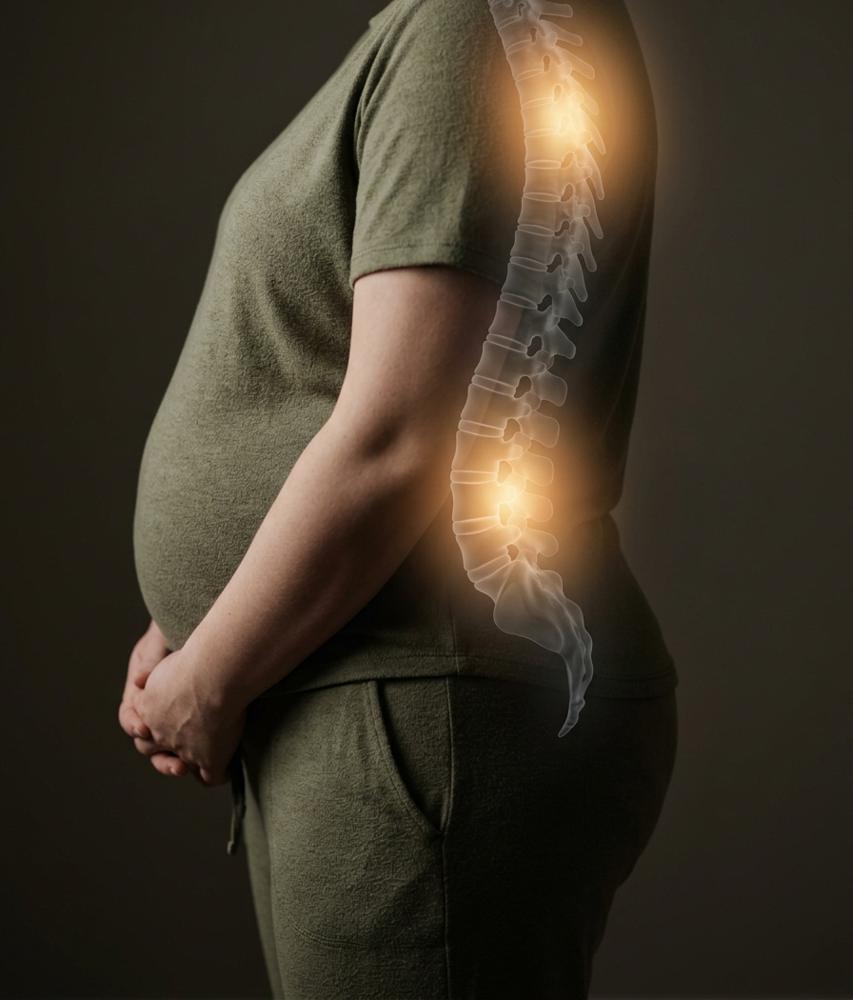 Back painFeeding posture, sleep disruption, weak core strategy, and low recovery capacity.
What it may indicate
Feeding posture, sleep disruption, weak core strategy, and low recovery capacity can all contribute.
What can worsen it
Poor lifting strategy, unsupported feeding, fatigue, and random workouts.
What usually helps
Breathing and core strategy first, then gradual, progressive strength.
When to seek assessment
Pain that is sharp, worsening, radiating, or limiting daily life.
Back painFeeding posture, sleep disruption, weak core strategy, and low recovery capacity.
What it may indicate
Feeding posture, sleep disruption, weak core strategy, and low recovery capacity can all contribute.
What can worsen it
Poor lifting strategy, unsupported feeding, fatigue, and random workouts.
What usually helps
Breathing and core strategy first, then gradual, progressive strength.
When to seek assessment
Pain that is sharp, worsening, radiating, or limiting daily life.
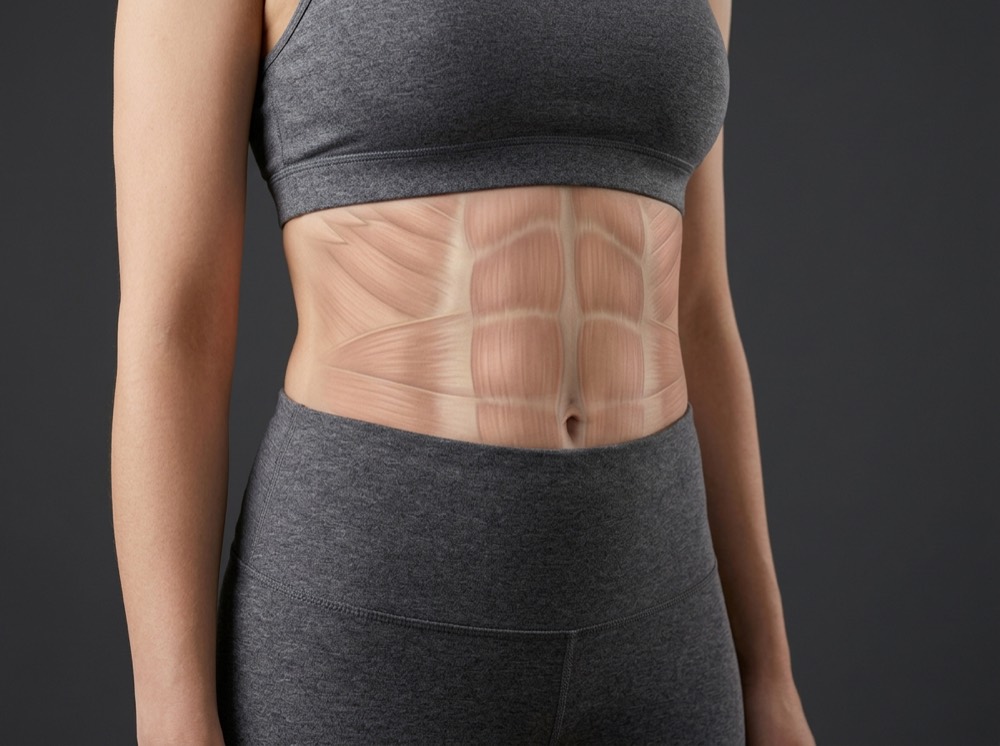 Core weaknessFeeling disconnected, shaky, or unable to brace well.
What it may indicate
Feeling disconnected, shaky, or unable to brace well, often because pressure, breathing, and strength are not yet sequenced.
What can worsen it
Planks too early, heavy pressure, under-fueling, and copying advanced workouts.
What usually helps
A sequenced return to breathing, bracing, and progressive strength.
When to seek assessment
Severe weakness, dizziness, doming, pain, or no progress despite gentle effort.
Posture issuesFeeding, carrying, and sleep disruption can shift posture and rib position.
What it may indicate
Feeding, carrying, and sleep disruption can shift posture and rib position over time.
What can worsen it
Long unsupported feeding, phone posture, and rushing back into workouts.
What usually helps
Posture resets, supported feeding positions, and gradual strength.
When to seek assessment
Breathlessness, chest discomfort, dizziness, or pain with normal activity.
Core weaknessFeeling disconnected, shaky, or unable to brace well.
What it may indicate
Feeling disconnected, shaky, or unable to brace well, often because pressure, breathing, and strength are not yet sequenced.
What can worsen it
Planks too early, heavy pressure, under-fueling, and copying advanced workouts.
What usually helps
A sequenced return to breathing, bracing, and progressive strength.
When to seek assessment
Severe weakness, dizziness, doming, pain, or no progress despite gentle effort.
Posture issuesFeeding, carrying, and sleep disruption can shift posture and rib position.
What it may indicate
Feeding, carrying, and sleep disruption can shift posture and rib position over time.
What can worsen it
Long unsupported feeding, phone posture, and rushing back into workouts.
What usually helps
Posture resets, supported feeding positions, and gradual strength.
When to seek assessment
Breathlessness, chest discomfort, dizziness, or pain with normal activity.
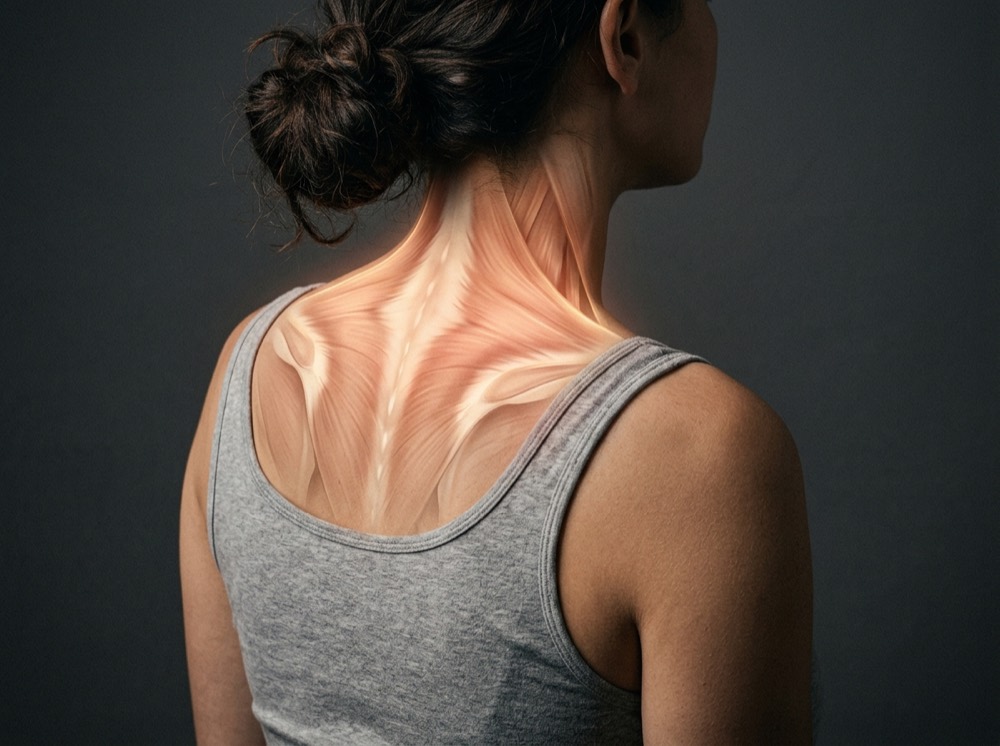 Wrist/neck/shoulder painOften connects to feeding positions, carrying, and repetitive lifting of your baby.
What it may indicate
Often connects to feeding positions, carrying, and repetitive lifting of your baby.
What can worsen it
Unsupported feeding, long phone posture, and sudden intense upper-body workouts.
What usually helps
Posture support, feeding-position changes, and mobility at the right pace.
When to seek assessment
Pain that is severe, radiating, or paired with numbness or tingling.
Wrist/neck/shoulder painOften connects to feeding positions, carrying, and repetitive lifting of your baby.
What it may indicate
Often connects to feeding positions, carrying, and repetitive lifting of your baby.
What can worsen it
Unsupported feeding, long phone posture, and sudden intense upper-body workouts.
What usually helps
Posture support, feeding-position changes, and mobility at the right pace.
When to seek assessment
Pain that is severe, radiating, or paired with numbness or tingling.
Guided vs unguided

Reviews
I stay in Pune and still I am taking the online classes from Varsha ma'am and Mayur sir. I actually landed up here with the issue of backache, and stagnant weight after my second delivery before 1.5yrs. … Its my 4th month with them and i am seeing a huge difference in my energy levels and weight as well(Though its just a number as they say). … I will recommend this to everyone and personally to the women out their who deal with various health issues post delivery.
— Rashmi Goyal
As a 30-year-old woman with a hectic lifestyle, Moves N Stretch Studio has been a game-changer in my postpartum recovery. Initially, I struggled with fragmented approaches, but their practical, well-researched methods made all the difference. … Their holistic approach has helped me regain strength and confidence, making the postpartum journey much more manageable. Highly recommended!
— Vishakha Dhoot
… Joining Moves n Stretch was one of the best decisions I made. Mayur Sir designed a personalized workout plan with anatomy-based exercises and a customized diet plan that suited my body and lifestyle. In just 3 months, I lost significant inches, my back pain and body aches reduced, and I finally started feeling stronger and more confident. I'm truly grateful for Mayur Sir's guidance, knowledge, and constant support throughout my transformation.
— Priya Changoiwala
Results vary with starting weight, medical condition, routine, sleep, stress, food tracking, and consistency. This is coaching guidance, not medical treatment.
Postpartum Plans
Both are coaching plans — education, nutrition, and guided movement alongside your medical care, never a replacement for it.

Most support online
Recurring diet plus guided support, with careful, individual postpartum progression and accountability.
Fair Policy: payments are non-refundable.
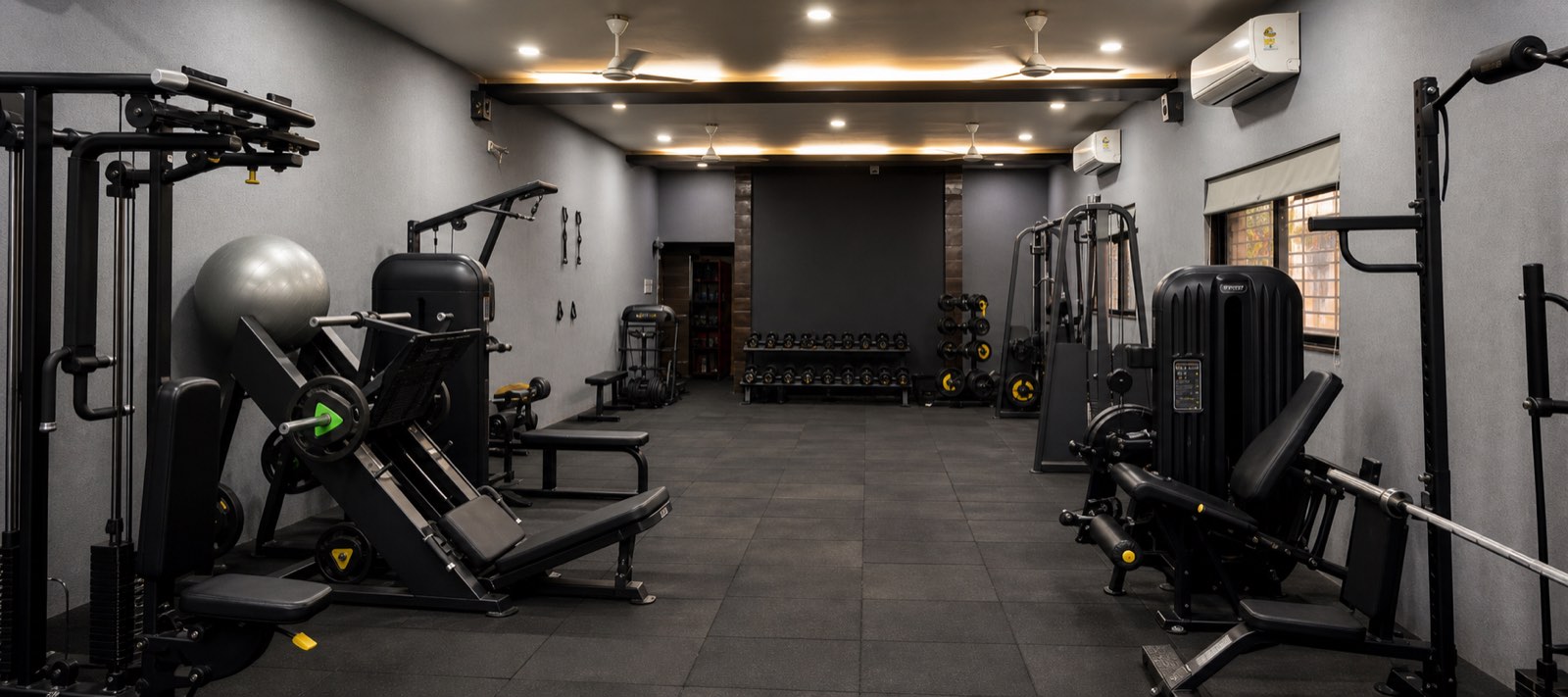
Higher support
Higher support — live guided workouts plus diet and accountability for closer postpartum guidance.
Fair Policy: payments are non-refundable.
This guide is for education and coaching awareness only. It does not diagnose, treat, or replace advice from your doctor, gynecologist, physiotherapist, or qualified healthcare provider. If you have pain, bleeding, fever, surgical concerns, pelvic heaviness, urine leakage, dizziness, severe weakness, or any worrying symptom, get medical review before changing exercise.